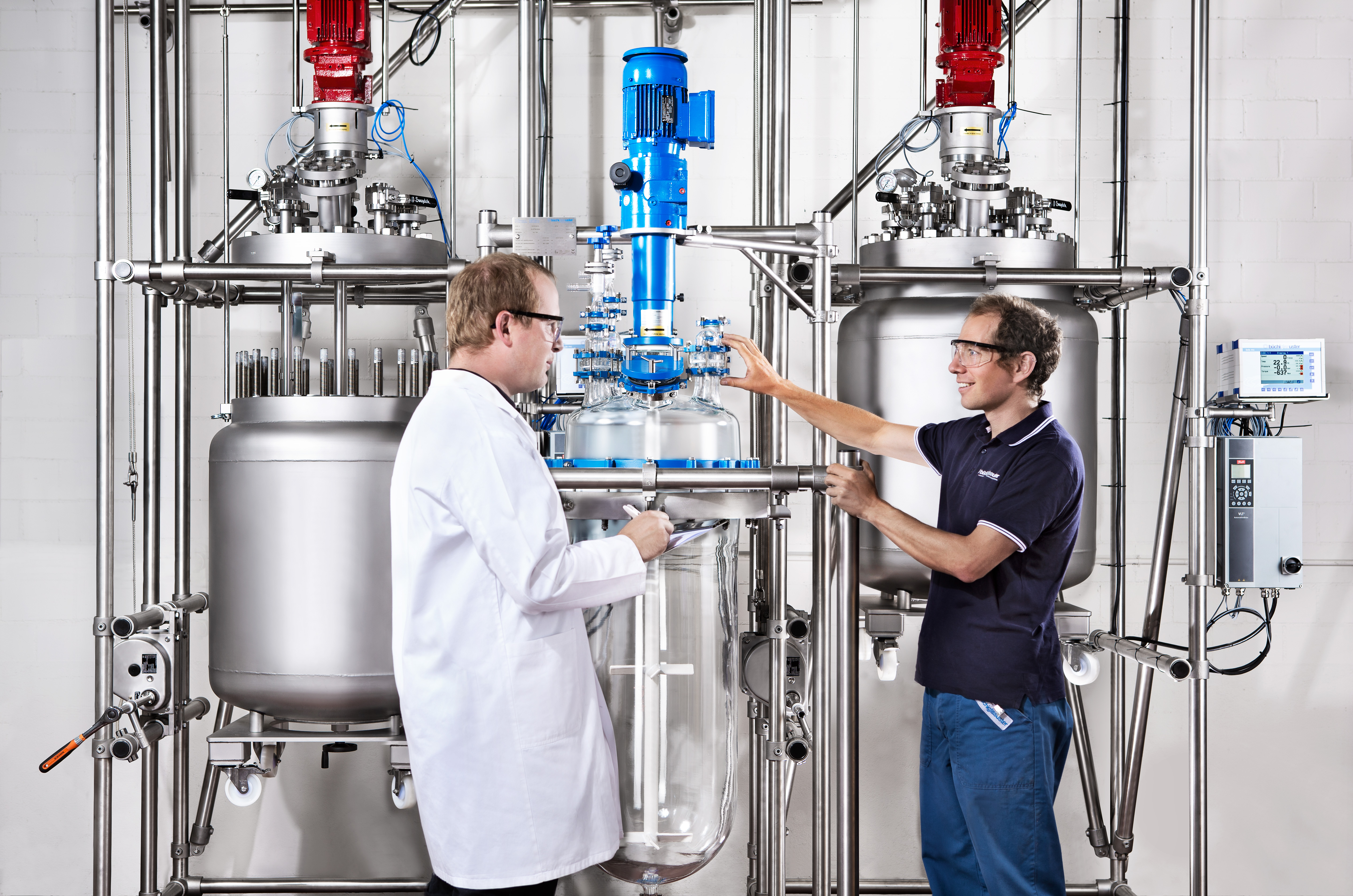
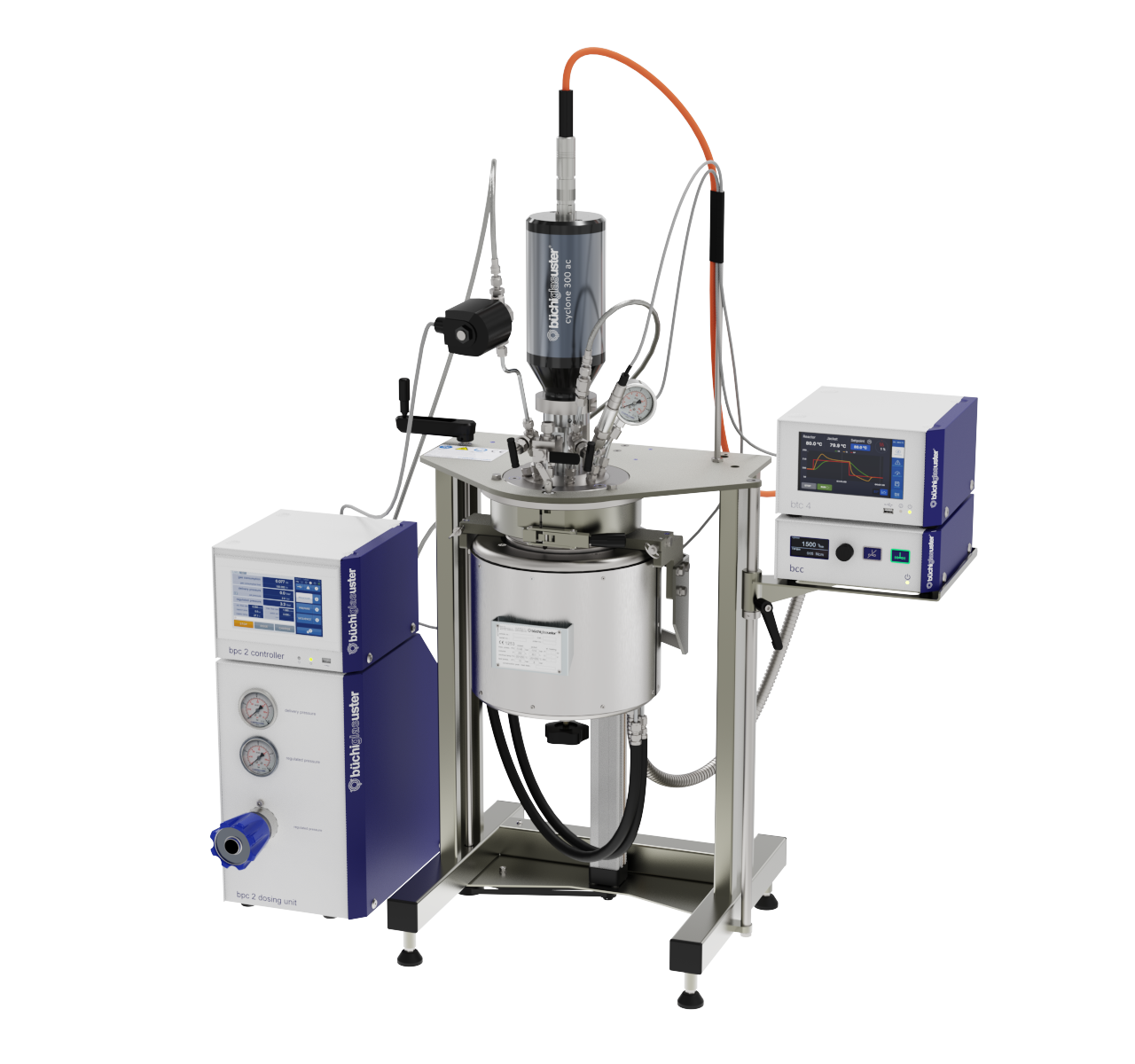
3 liter lab pressure reactor with electrical heating paired with a gas dosing unit (bpc 2) next to a 250 liter production pressure reactor 3 liter lab pressure reactor with electrical heating paired with a gas dosing unit (bpc 2) next to a 250 liter production pressure reactor

Safe gas liquid reactions from laboratory screening to production scale

Hydrogenation is a cornerstone of chemical synthesis. Whether the application involves reducing a double bond, saturating an aromatic ring, or removing a protecting group, the principle remains the same. Gas reacts with a substrate in the presence of a catalyst. From heterogeneous suspensions and homogeneous chiral complexes to transfer hydrogenation, Buchiglas designs reactor systems that support these core processes seamlessly, starting from the first 10ml screening experiment and ensuring consistent design continuity for scale-up to production capacities up to 600 liters in stainless steel or Hastelloy®.
Are you looking for more than standard products?

We develop customized solutions precisely aligned with your processes and requirements.

Get in touch with us


Catalyst handling & gas liquid dispersion

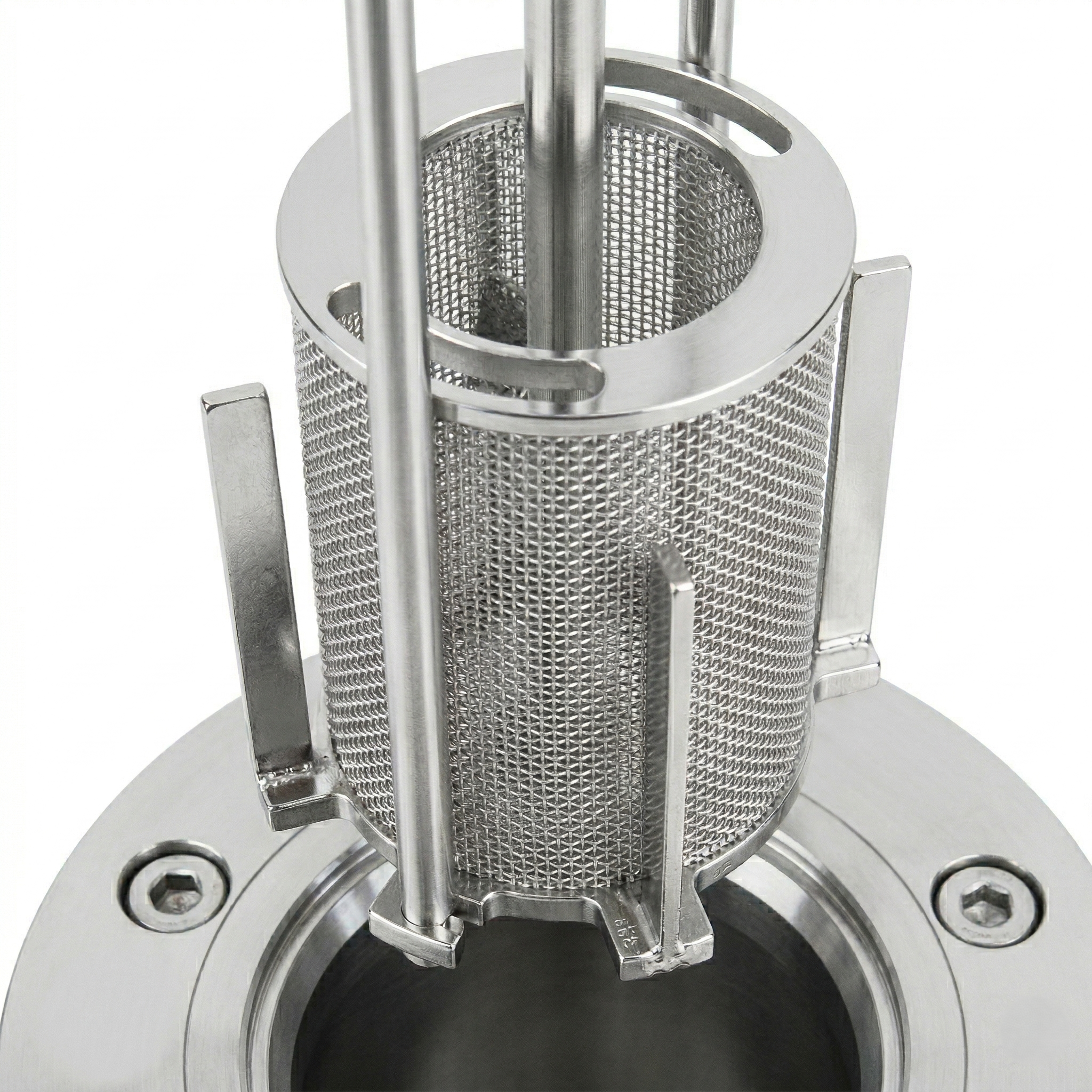
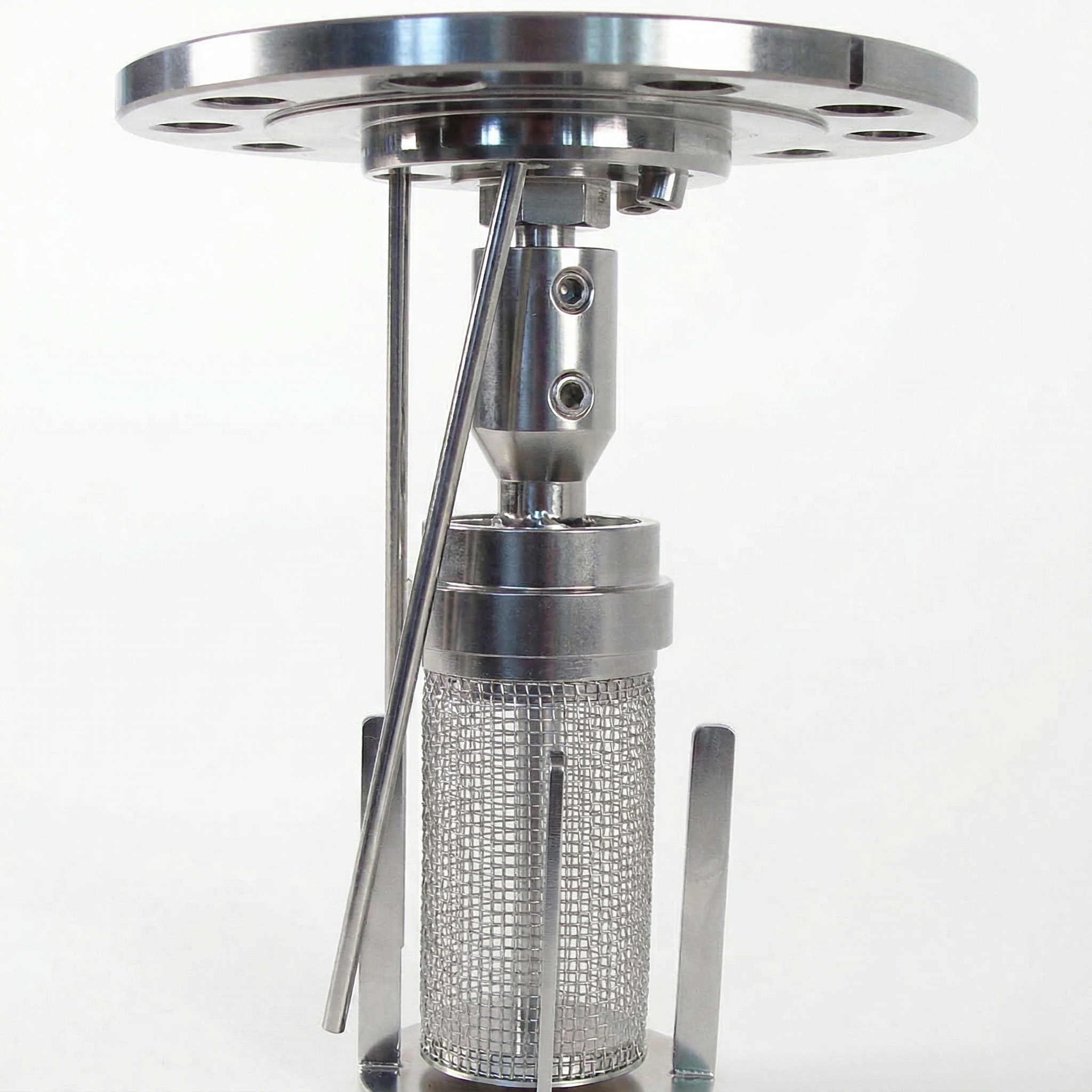
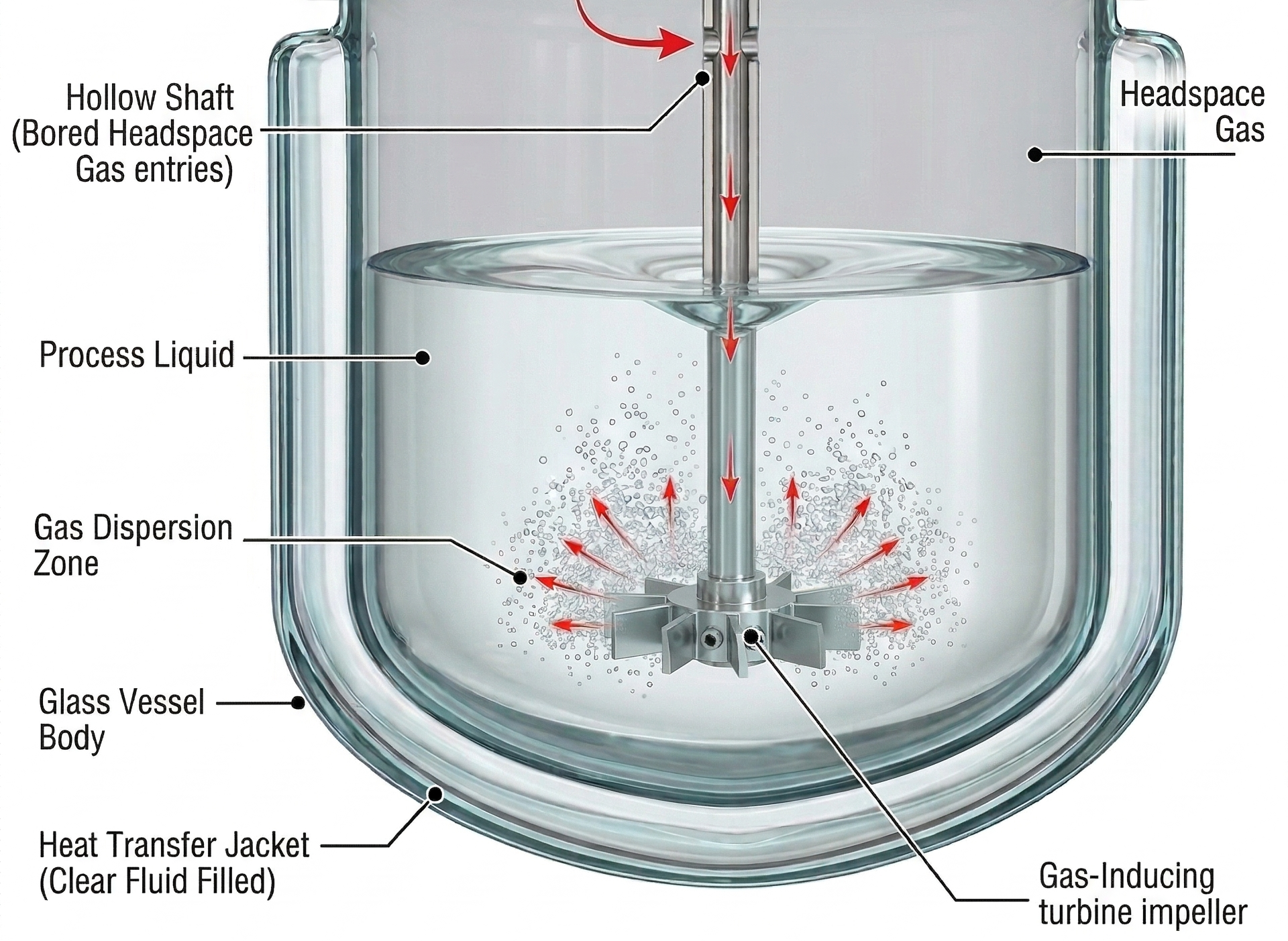
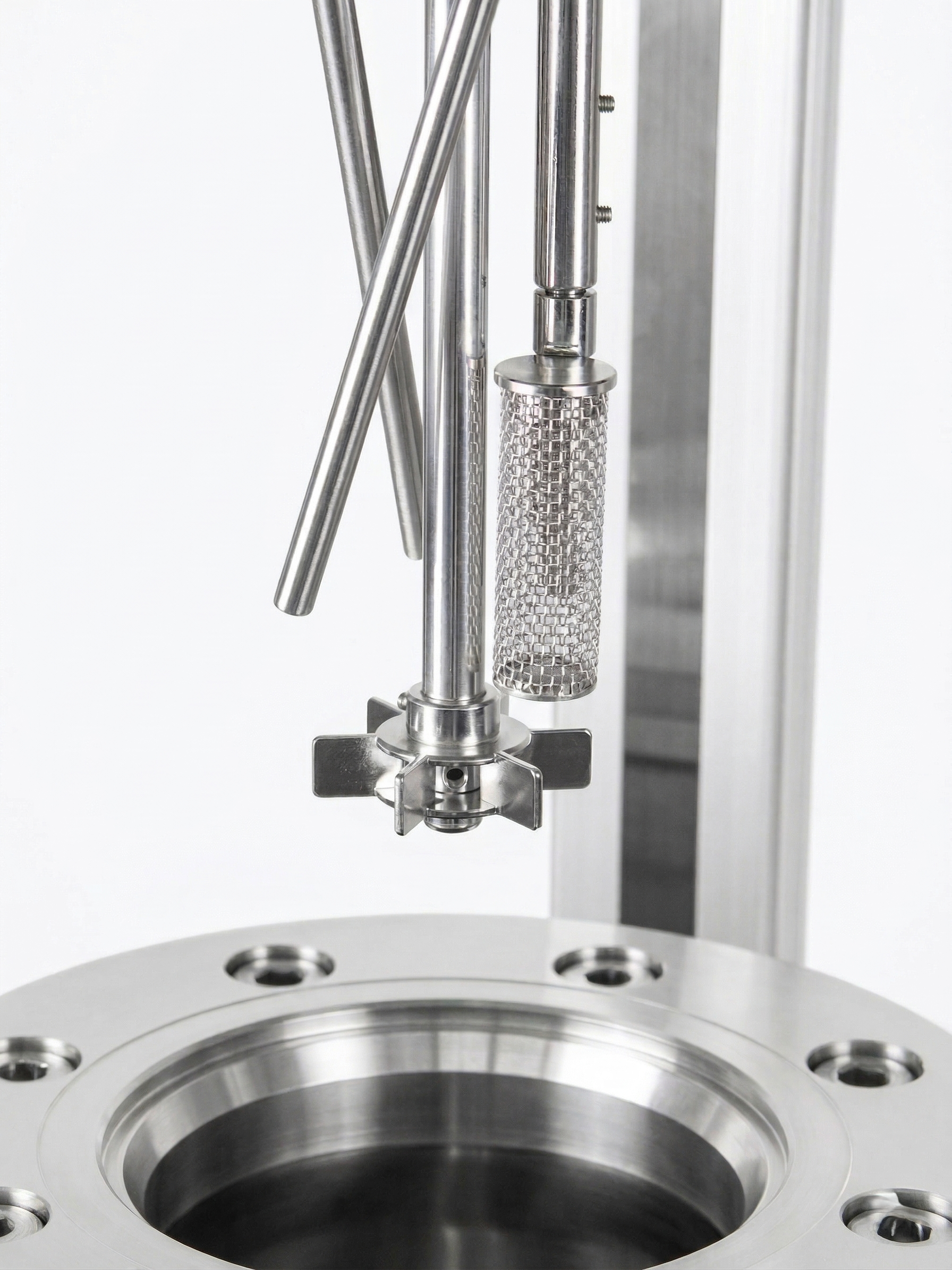
The right catalyst contact mode directly affects conversion, selectivity, and reproducibility. Slurry phase operation works well for many applications but makes separation difficult. To optimize this, Buchiglas offers specialized reactor internals:

Kilo lab to production scale: Ensuring cGMP compliance

100 liter Hastelloy® pilotclave® with a hollow stirring shaft and a sparging tube for optimal gas entrainment paired with a sampling system 100 liter Hastelloy® pilotclave® with a hollow stirring shaft and a sparging tube for optimal gas entrainment paired with a sampling system

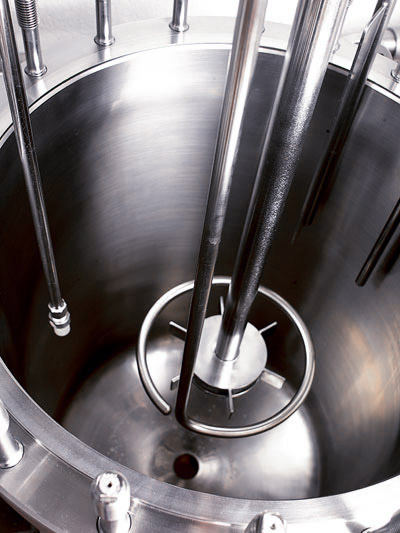
A reaction that performs successfully at lab scale may behave completely differently at a larger scale. Scaling up to 500 liter cGMP compliant production requires specific engineering adjustments in mass transfer, mixing efficiency, heat removal, and gas distribution. Buchiglas addresses these demands by offering customized pressure reactor systems that support seamless scaling up or down at every stage of development. Featuring highly flexible, interchangeable vessels and completely adaptable configurations, these solutions allow for the easy integration of specialized accessories, such as sampling systems, automated valves, and control systems (PLC) while offering full ATEX compliance for hazardous areas to ensure a safe, step by step transition designed to exact process requirements.

Lifecycle partnership: From engineering design to validated pressure reactor equipment

Buchiglas acts as a dedicated partner throughout the project lifecycle, providing deep technical and regulatory expertise from the initial planning stages until the equipment is running successfully on the production floor.


Design & mixing optimization (engineering stage)

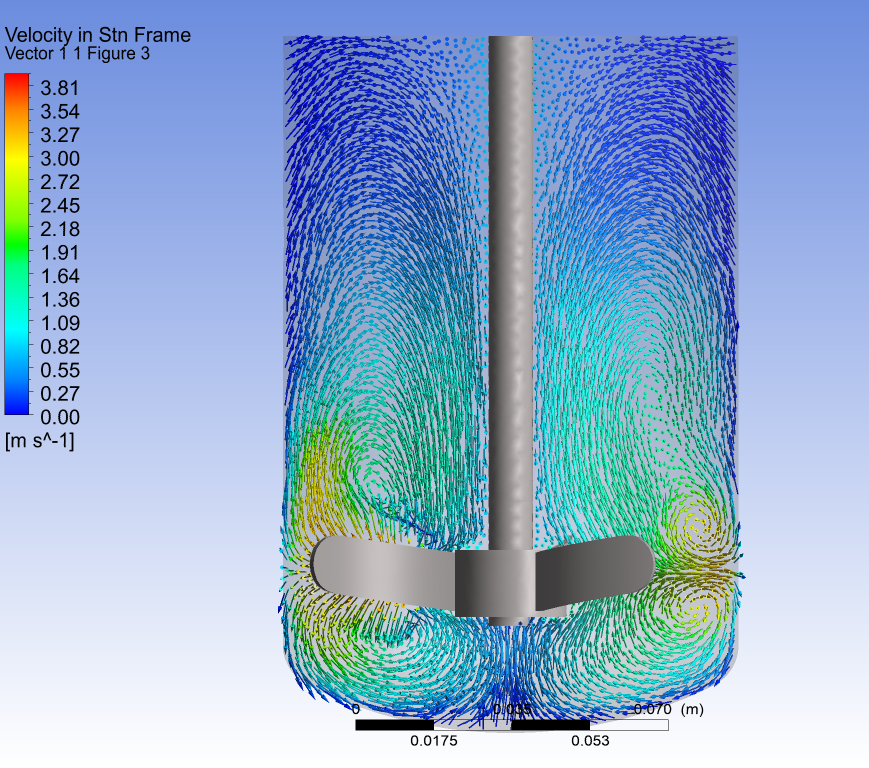
CFD (Computational Fluid Dynamics) for a pressure reactor CFD (Computational Fluid Dynamics) for a pressure reactor

Right from the initial planning phase, Buchiglas supports the customer’s process design to ensure an optimal scale-up path before any hardware is manufactured. Because achieving efficient gas-liquid dispersion and keeping solid catalysts uniformly suspended becomes highly complex at larger volumes, Buchiglas utilizes detailed CFD (Computational Fluid Dynamics) Analysis. By mathematically modeling fluid mechanics and mass transfer based on the customer's specific process parameters, we customize the ideal impeller geometries and reactor configurations to eliminate dead zones and detect challenges before the pressure reactor build is finished.

On site regulatory & validation support (commissioning stage)

Qualification of two 100 liter pilotclaves with a mixing vessel Qualification of two 100 liter pilotclaves with a mixing vessel

Our support continues directly at your facility to ensure a smooth transition into a regulated production environment. In cGMP manufacturing, equipment parameters need to be strictly verified to keep batches within their validated operating windows. To make process reactor validation straightforward and repeatable, Buchiglas provides detailed qualification documentation execution according to a structured Qualification Project Plan (QPP). Buchiglas supports the final commissioning steps on-site, providing IQ and OQ protocols to ensure the customized system is fully compliant and operational from day one.

Examples

Precision gas dosing options: bpc 2 & mass flow integration

Reproducibility requires consistent gas dosing, stable reaction pressure, and highly accurate consumption data. Depending on specific customer requirements, Buchiglas offers process customized dosing solutions to integrate seamlessly with the reactor systems.

The bpc 2: Proprietary volumetric dosing

3 liter pressure reactor (versoclave®) with pressure dosing unit (bpc 2) 3 liter pressure reactor (versoclave®) with pressure dosing unit (bpc 2)

The bpc 2 is a high precision volumetric gas dosing system. The core functional advantage lies in its measuring principle. It measures volume rather than mass flow, it delivers identical reproduceable results regardless of the connected reactor size.

Mass flow & Coriolis flow integration: Kilo lab to Industrial scale dosing solutions

Mass Flow Controller mounted on a plate for dosing together with venting and inerting steps possibilities Mass Flow Controller mounted on a plate for dosing together with venting and inerting steps possibilities

Whether at the kilo lab stage or full-scale production, specific process requirements, such as high throughput continuous processing or rapid gas introduction, demand dedicated instrumentation. For these applications, Buchiglas integrates Mass Flow Controllers (MFCs) and Coriolis Flow Meters. Rather than a compromise, this instrumentation represents the industrial standard for high flow operations where substantial volumes of gas needs to be continuously introduced and metered under high pressure.

Buchiglas pressure reactors are designed to use both technologies as standard configurations. Whether a process is best served by the highly flexible, vessel independent volumetric dosing of the bpc 2, or the continuous flow capacity of MFC and Coriolis systems, the reactor system provides the exact instrumentation ports, control software integration, and the design required for industrial process stability.