Efficient thermal separation optimized for production scale

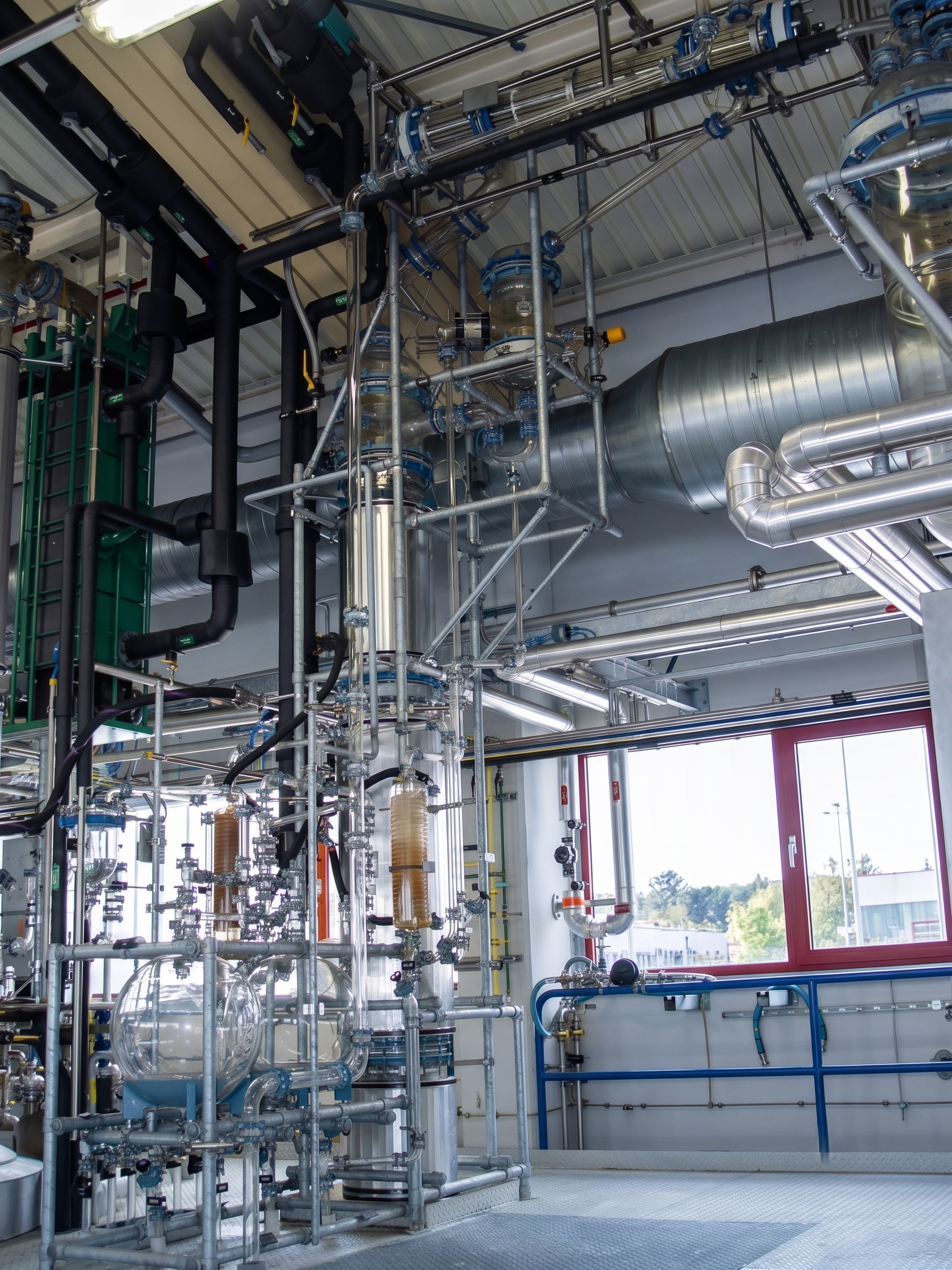
This pilot scale glass column with saddle packing is designed for the visual monitoring, testing, and precise optimization of thermal separation processes. This pilot scale glass column with saddle packing is designed for the visual monitoring, testing, and precise optimization of thermal separation processes.

Whether a process requires a solvent recovery or complex multi stage separation, these designed systems provide the corrosion resistance and thermal performance needed for highly demanding chemical environments. The modular glass configurations enable continuous visual process control, helping operators optimize efficiency and monitor hydrodynamics in real time across all production scales. 


We develop customized solutions precisely aligned with your processes and requirements.

get in touch with us

Typical applications for distillation and rectification systems & columns

  • Solvent recovery & purification: Continuous and batch wise recycling of organic and inorganic chemical solvents in multi-purpose plants.
  • Acid recovery & concentration: High purity treatment, recycling, and purification of highly corrosive acids.
  • API & HPAPI production: Critical purification and synthesis steps in pharmaceutical production plants compliant with cGMP standards. 
  • Fine & specialty chemicals: High efficiency rectification for high purity chemical processing, agrochemicals, polymers, flavors, and fragrances.

Customized glass overheads

Solvent recovery plant Solvent recovery plant

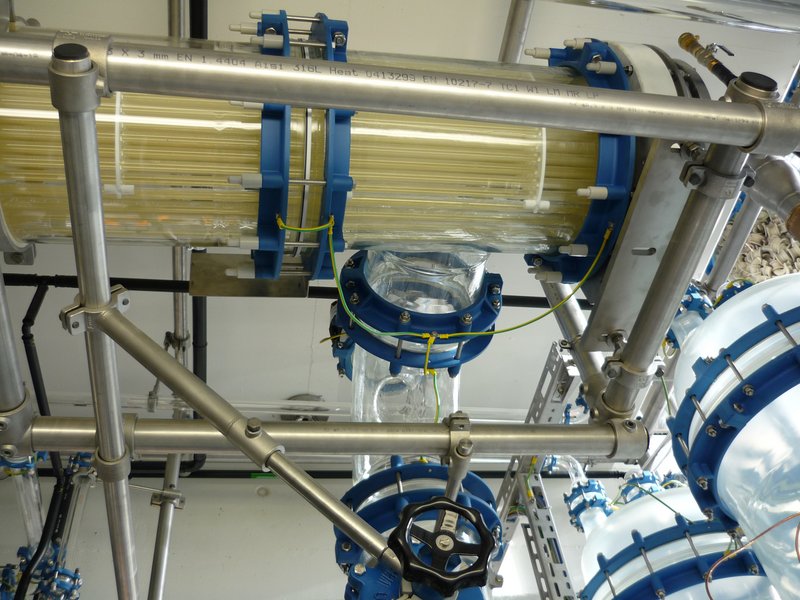
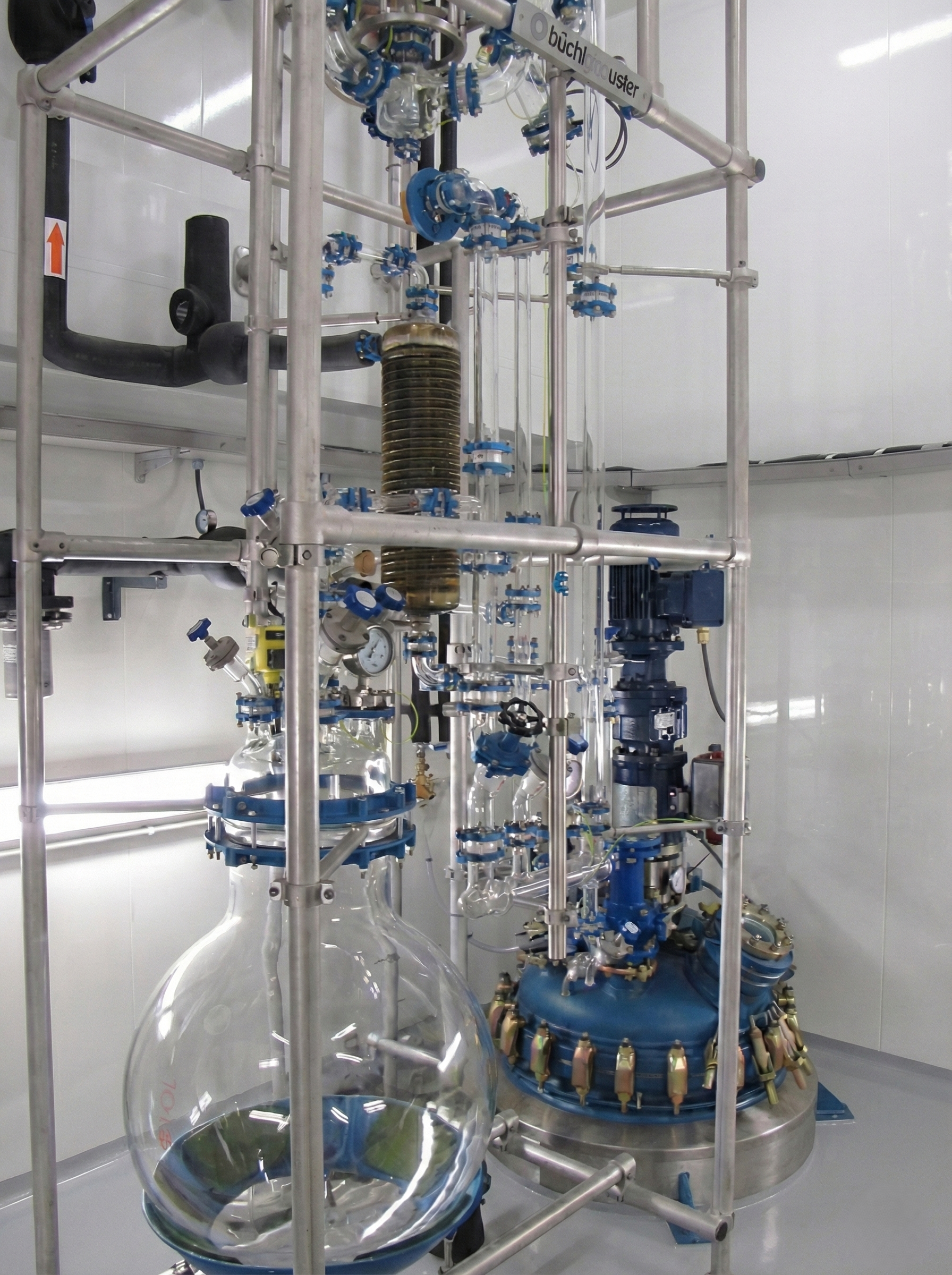
Customized glass overhead configurations are designed as complete functional units to align with specific process scale requirements. These modular system layouts integrate the vapor lines, condensing structures, phase separators, and receiver flasks into the available space requirements. Components can be arranged directly above or adjacent to the reactor vessel depending on space constraints and structural setups.


Utilizing the proprietary buchiflex glass piping system, these overhead layouts ensure complete leak tightness and mechanical stress free flexibility. The flexible components are available from DN 15 up to DN 150. They reliably absorb thermal expansion and vibrations across the entire glass overhead. For larger process components, such as static rectification columns, diameters up to DN 600 are integrated into the system design.

Separation columns & packings for precise rectification

Production scale rectification system Production scale rectification system

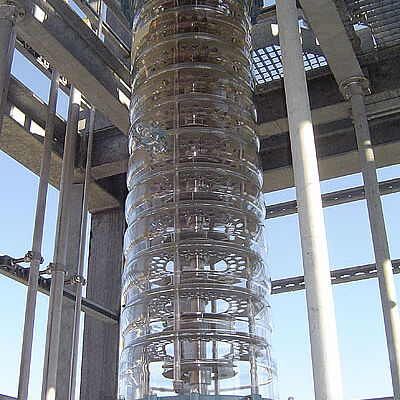
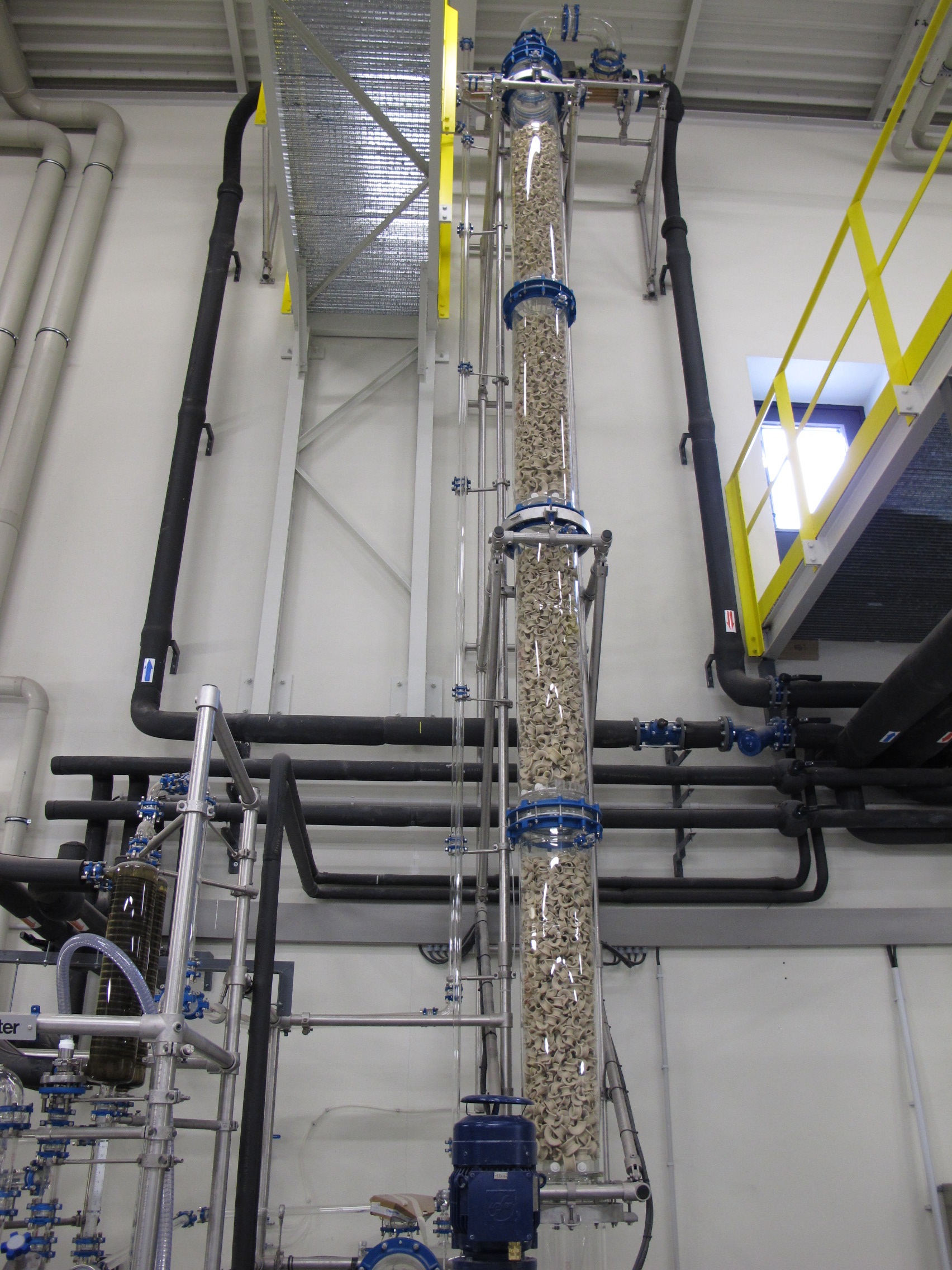
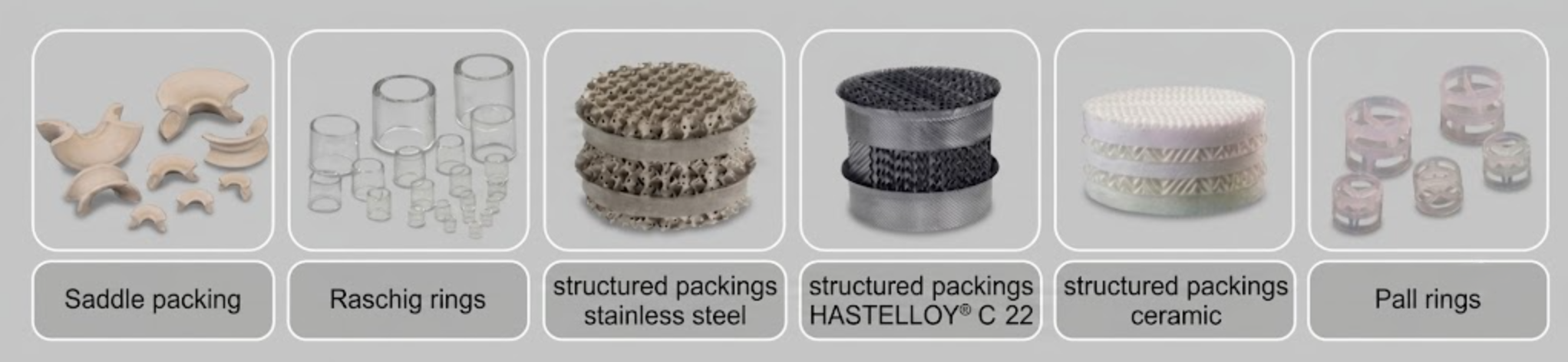
For complex separation tasks requiring multiple theoretical stages, dedicated rectification columns are designed in diameters up to DN 600. Every column is custom configured in length and equipped with necessary internals, including support grids, liquid distributors, and controlled reflux dividers to manage the reflux ratio precisely via automated or manual valves.

The glass advantage: visual process control

Production scale rectification system Production scale rectification system

Compared to metal overheads and piping, transparent glass process equipment transforms a black box operation into a fully visible process. This transparency provides immediate visual feedback, allowing operators to manually control complex separation steps, verify automated runs, detect hydrodynamic challenges, and optimize performance in real time. 

Monitoring foaming & ensuring product purity

Transparency allows operators to spot process deviations before a batch is compromised. It enables the early detection of liquid droplets or foam carried over into the distillate, preventing product contamination. Sudden color changes in the distillate can also be monitored visually, which frequently indicates impurities or product decomposition. 

Optimizing column flow: Flooding & channelling

When operating packed rectification columns, visual supervision is critical for maximizing throughput without risking process stability: 

  • Identify flooding limits: Flooding occurs when high vapor velocity prevents liquid from flowing down, causing liquid hold up and accumulation inside the column. This leads to a pressure spike and a complete loss of separation efficiency. Glass columns allow operators to safely monitor the liquid hold up and operate exactly at the capacity limit.
  • Detect channelling: For optimal mass transfer, liquid must coat the column packing evenly. Channelling occurs when the liquid seeks the path of least resistance, for example, flowing only along the column walls while leaving the center packing dry. Transparent columns allow operators to instantly spot these dry zones and adjust the liquid distributor or reflux ratio to ensure full wetting. 

Preventing clogging & blockages

Solid build up or unintended crystallization in condensers, siphons, and return lines can stall a process or cause hazardous pressure buildup. Glass equipment ensures that residues, fouling on the packing, or line blockages are identified early, allowing operators to react immediately by adjusting the heat, adding anti foam agents, or scheduling targeted cleaning cycles only when necessary

Examples for distillation and rectification systems & columns